Custom Website vs Template: How to Know What You’re Ready For
When it comes to custom website vs template, the best choice isn’t about which’s better. It’s about what fits your business right now. The right decision meets you where you are and supports you where you go next. Your website is more than a page online. It’s your digital home. And like any home, it should feel aligned with the season you’re in.
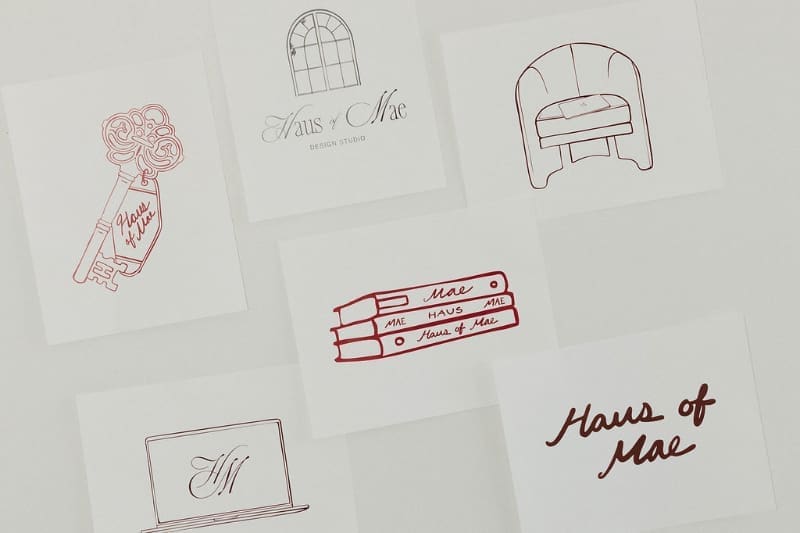
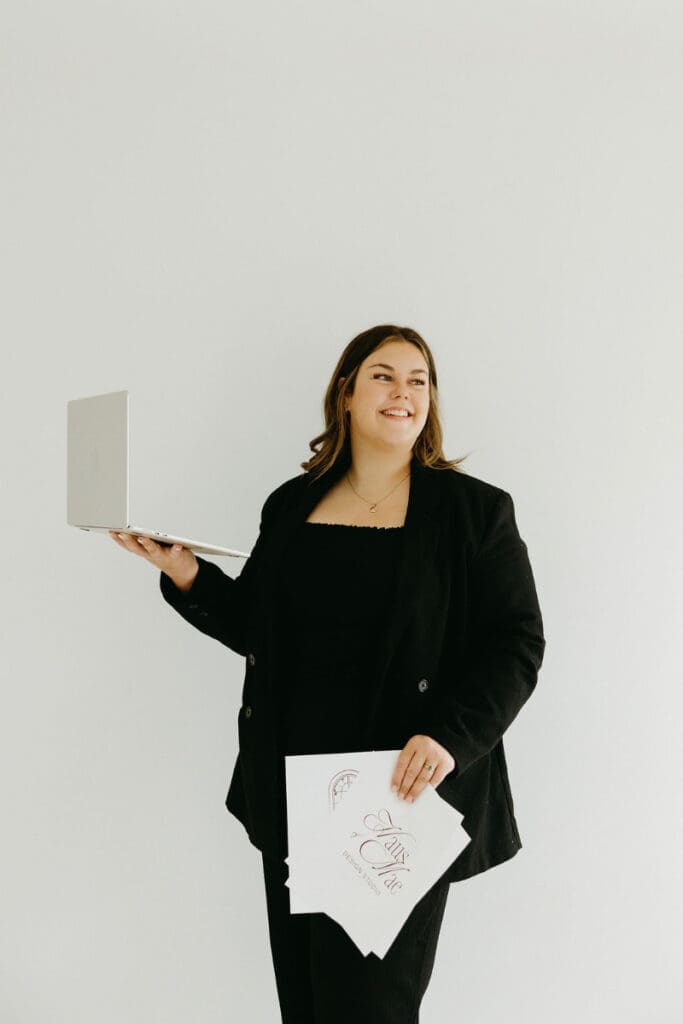
Before we get into the details, hi, I’m Mikayla, founder of Haus of Mae Design Studio. I design intentional, strategy-led websites for creative business owners who are ready for their online presence to feel aligned with the level at which they operate. Whether you’re refining what you already have or starting fresh, you’re in the right place. If you have questions along the way, reach out anytime, or subscribe to the newsletter to view the portfolio and get a feel for my work.
So if you’ve been weighing a custom website vs template and wondering what actually makes sense for you, let’s walk through it together.
Why There’s No Wrong Answer — Only the Right Fit for Right Now
There’s a lot of noise around custom website vs template. It can feel like one is the “serious” option and the other is just a quick fix.
That’s not true. Templates can still be thoughtful and strategic, and a custom site can be the right next step when you’re ready. Both are valid options, and each can support a strong online presence.
What matters most is alignment.
Your business will grow and shift, and your website should grow with it. The goal isn’t to make it perfect forever, but to choose what supports you in this season with intention.
Still deciding what makes the most sense? The DIY vs. hiring a designer blog breaks it down simply so you can move forward with more clarity.
What a Template Website Actually Gives You (and Where It Has Limits)
A template website gives you structure and a starting point that’s already designed to work. It’s like moving into a well-built home that just needs your personal touch.
With a template, you’re stepping into a polished, ready-to-use layout that helps you show up professionally right away. The timeline is faster, so you can launch sooner without getting stuck in a long build process. It also comes with a lower upfront investment, making it a more accessible option as you’re still growing. Most importantly, it gives you a clear and simple path to getting online without overthinking every detail.
For many business owners, this is exactly what’s needed. If you’ve outgrown a DIY site that feels pieced together, a template can bring cohesion. It helps your brand feel more refined without requiring a full rebuild.
At the same time, there are limits to keep in mind. Templates are designed to be flexible, but not fully custom. You’re working within a set structure, which means certain layout changes may be restricted. The strategy side is more self-led, so you’ll need to guide how your content fits into the design. And in some cases, more advanced or custom features just aren’t possible within that framework.
Sometimes, that level of structure is exactly right. Other times, it can start to feel like you’re adjusting your business to fit the site, instead of the site supporting your business.
Custom Website vs Template: What a Custom Site Includes
A custom website is built around you. Every page and detail is shaped with your business in mind, so your site reflects how you work, what you offer, and how your clients move through your space.
With a custom build, you’re not just getting a website. You’re stepping into a high-touch experience designed to support your business long term.
One of the biggest differences is the power of branding and having a designer (that’s me!) build this alongside your website. In The Custom, your branding is created at the same time, so everything feels cohesive and aligned from the start. While templates come with a base style you can adjust, branding is often handled separately, which can impact how elevated your final site feels.
A custom site also includes a deeper strategy, like SEO and keyword research. This helps your website work behind the scenes, not just look good. With templates, this part is often self-led or missed, but it can make a real difference in how your site grows over time.
A custom site brings together:
- A strategy that’s shaped around your goals
- A fully custom layout and user experience
- Branding is built into the process for full alignment
- SEO strategy and keyword research for long-term visibility
- Space to grow and evolve over time
- A longer timeline for a thoughtful build
- A higher investment that reflects the level of work
- More collaboration and input throughout the process
It’s not just about how it looks. It’s about how it works. Your website becomes a true extension of your business. It feels cohesive, clear, and intentional. That added time and investment aren’t downsides. They simply reflect a more complete and supported foundation for long-term growth.
If you’re building or updating your site, the Legal Website Pages and Why You Need Them blog covers the essentials so you can protect your business and show up with more confidence.
Custom Website vs Template: The Real Differences in Timeline, Investment, Strategy, and Flexibility
When you compare custom website vs template, these are the four areas that matter most.
Timeline
Templates are faster. You can launch in weeks.
Custom sites take longer because they’re built from the ground up.
Investment
Templates are more accessible.
Custom sites are a deeper investment because of the strategy and build involved.
Strategy
Templates give you a strong base, but you guide the direction.
Custom sites are strategy-led from the start.
Flexibility
Templates offer structure with some room to adjust.
Custom sites offer full flexibility and long-term growth.
None of these is better or worse. They just serve different needs.
How to Honestly Assess Where Your Business Is Right Now
This is where clarity matters most when you’re deciding between a custom website vs template. Take a step back and look at your business as it is today, not where you think it should be.
Start by considering whether your current website reflects the quality of your work. Think about how clear you feel around your offers and who you serve. It also helps to notice whether you need something fast to get online, or something more fully built for long-term support. From there, consider whether you feel ready to invest in deeper growth.
Your answers will guide you. If things still feel in progress, a template may be the right support for now. It gives you space to refine while still showing up in a way that feels polished and cohesive.
If your business feels more established and ready for deeper alignment, a custom site may be the next step. There’s no rush when it comes to choosing between a custom website vs template. It’s about choosing the timing that best fits your business.
If you want to make a stronger first impression, the 5 things your website needs to build trust in under 10 seconds blog walks you through what actually matters and what to focus on first.
When a Template Is the Perfect Starting Point
A template is a strong choice when you need structure, clarity, and momentum.
It’s especially helpful if:
- You’re ready to move on from a DIY site
- Your brand is mostly defined, but still evolving
- You want a polished presence without a long timeline
- You prefer a guided but flexible approach
A well-designed template can shift how your business feels online. It can take you from scattered to cohesive in a way that feels grounded and intentional.
If this feels like your season, you can explore the Template Shop or choose a Template Customization service for added support. There’s also a 10% off option when you join the newsletter, which makes it even easier to get started.
When Custom Is Worth the Investment
A custom website makes sense when your business is ready to build something around it, not just place it into a set structure.
This might be the right step if:
- Your offers are clear and stable
- You’re booking consistent work
- Your current site no longer reflects your level
- You want a fully aligned digital home
At this stage, your website becomes a tool for growth, not just presence. A custom build gives you space to expand. It supports your next level with clarity and cohesion.
If you’re ready for that kind of support, you can explore The Signature or The Custom services. Looking through the portfolio can also help you see what’s possible and what alignment can look like in real projects.
Custom Website vs Template: Not Sure Where You Fit?
If you’re still deciding between a custom website vs template, that’s okay. This is a thoughtful decision, and it should feel clear. A good first step is to look at what you already have.
The Website Check-In is a free, self-guided audit that helps you see what’s working and what’s not. It gives you honest insight without pressure.
If you’re planning ahead, the Website Prep Hub can help you get organized before making any changes. It’s a simple way to clarify your next steps.
And if you’re ready to talk it through, you can always reach out. You can also connect on Instagram for a more casual starting point or to ask a quick question. Sometimes a short conversation brings everything into focus.