What is Brand Identity vs. Logo: What’s Actually Included in a Brand Design
Many business owners use the terms “brand” and “logo” interchangeably. While they’re connected, they aren’t interchangeable. Understanding what is brand identity starts with recognizing the difference.
A logo is one piece of a brand identity. It’s important, but it isn’t the whole picture.
This confusion often happens because a logo is the most visible part of a brand. It’s the piece people see first. Yet a strong brand identity includes much more than a single mark or graphic.
When your brand identity is built with intention, every part of your business feels connected. Your website, social media, client experience, and marketing all work together. That sense of cohesion helps people understand who you are and what you offer.
Let’s take a closer look at what a logo does, what a full brand identity includes, and why the difference matters.
But first, hello, and welcome! I’m Mikayla, the designer behind Haus of Mae Design Studio. I help creative and service-based business owners build websites that feel intentional, cohesive, and aligned with their next chapter. Whether you’re working with a DIY site, a template, or a custom build, my goal is always the same: to help your website feel like a digital home that supports your business, not create more frustration.
Curious how these elements come together in a real business? Peek the portfolio for visual examples, and join the newsletter for website and branding tips, resources, and studio updates.
Why So Many Business Owners Confuse a Logo With a Brand
Most business owners start with a logo. It makes sense. When you’re building a business, a logo feels like the first thing you need. You want something that looks professional and gives your business a visual presence.
As a result, many people assume their logo is their brand. In reality, a logo is simply one element within a larger system.
Think about a home. The front door matters because it’s often the first thing people notice. Still, a front door alone doesn’t create a home. The structure, layout, rooms, and details all work together to create the experience.
Brand identity works in a similar way.
Your logo may introduce your business, but it can’t communicate everything people need to know about you on its own.
If your brand no longer reflects the level at which you’re operating, it may not be a branding problem. It may be a sign you’ve grown. Read The Strategy Behind My Rebrand (and How to Know When It’s Time to Redesign Yours) for a closer look at the signs your brand is ready for its next chapter.
What a Logo Actually Is (And What It Can’t Do on Its Own)
A logo is a visual identifier.
Its job is to help people recognize your business. It creates consistency and gives your audience something familiar to connect with your brand.
A logo can:
- Help people recognize your business
- Create visual consistency
- Support brand recall over time
- Provide a professional first impression
What it can’t do is tell your entire story. A logo doesn’t explain your values. It doesn’t communicate your personality. It doesn’t create a clear visual direction for your website, marketing materials, or client experience.
Without supporting brand elements, a logo often ends up carrying more responsibility than it was designed to handle.
That’s why businesses with only a logo frequently struggle with consistency. Every new design decision feels like starting over because there isn’t a larger framework guiding those choices.
What a Full Brand Identity Includes (And Why Each Piece Matters)
When people ask, “What is brand identity?” they’re usually asking about the collection of visual elements that work together to represent a business.
A complete brand identity often includes:
Logo Suite
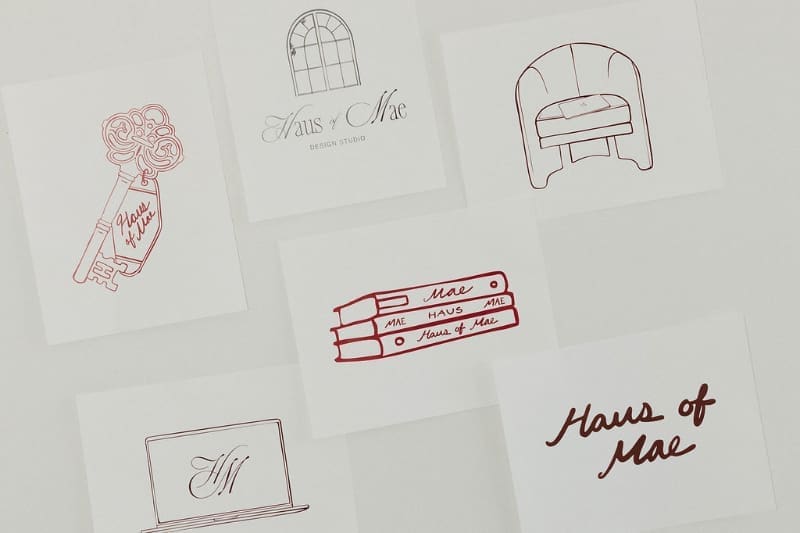
Rather than one logo, many brands have several logo variations. These may include a primary logo, a secondary logo, a submark, and an icon. Having multiple options allows your brand to remain consistent across different platforms and spaces.
Color Palette
Colors influence how your brand feels. A carefully chosen color palette creates consistency and helps every touchpoint feel connected. When colors are used intentionally, your audience begins to recognize your brand even before they see your logo.
Typography
Typography refers to the fonts used throughout your brand. Consistent typography creates structure and helps your content feel polished and recognizable.
Brand Patterns and Supporting Graphics
These elements add depth to your visual identity. They help create interest across websites, social media graphics, marketing materials, and printed pieces.
Image Direction
Photography and imagery play a large role in how people experience your brand. Clear image direction helps ensure your visuals feel aligned rather than random.
Brand Guidelines
Brand guidelines act as the blueprint for your visual identity. They outline how each element should be used to keep your brand cohesive over time. Each piece serves a purpose. Together, they create clarity and alignment across your business.
A strong brand identity is important, but so is making the most of what you already have. If a redesign isn’t in the cards right now, read 10 Quick Website Updates You Can Make Today (Even If You’re Not Ready for a Redesign).

How a Cohesive Brand Identity Shows Up Across Your Business
A strong brand identity doesn’t stay inside a logo file. It shows up everywhere.
Your website feels connected to your social media presence. Marketing materials reflect the same visual language. Client touchpoints feel intentional rather than pieced together.
As a result, people experience your business as a whole rather than a collection of separate parts.
For example, someone may first come across your business on Instagram, visit your website, and then inquire about your services.
When your brand identity is cohesive, that journey feels seamless. The colors match. The typography feels familiar. The imagery supports the same message. Everything works together to create trust and recognition.
That’s where brand identity begins to move beyond aesthetics and become a practical business tool.
What It Feels Like to Operate With — and Without — a Complete Brand Foundation
Many business owners don’t realize how much energy they’re spending on visual decisions until they have a complete brand identity.
Without a clear foundation:
- Every graphic feels harder to create
- Design decisions take longer
- Marketing materials look inconsistent
- Your website and social platforms may feel disconnected
- You’re constantly questioning whether things look right
Over time, this creates friction. On the other hand, a complete brand identity provides direction. Instead of guessing, you have a framework.
You know which colors to use. You know which fonts belong to your brand. You understand how visuals should work together. That clarity creates confidence.
Rather than spending time reinventing every design decision, you can focus on serving your clients and growing your business.
As your business evolves, your website should evolve with it. If you’re wondering whether your current site still supports your goals, read 7 Signs You Have an Outdated Website (And Your Business Has Outgrown It).
A Side-by-Side Look: Logo Only vs. Full Brand Identity in Action
Let’s look at a simple example.
Logo Only
A photographer hires someone to create a logo. The logo looks nice, but that’s where the branding stops.
Later, she builds her website. She chooses colors on the fly. Her social media graphics use different fonts every month. Marketing materials all look slightly different.
Nothing is technically wrong. Still, the overall experience feels disconnected.
As her business grows, new design decisions continue to feel harder than they need to. Without a clear brand foundation, consistency becomes difficult to maintain.
Full Brand Identity
Another photographer invests in a complete brand identity. She receives a logo suite, color palette, typography selections, supporting graphics, and brand guidelines.
When it’s time to build her website, the decisions are already made.
Social media graphics feel connected. Marketing materials align with her website. Every touchpoint reflects the same visual direction.
As a result, her online presence feels cohesive and intentional. The difference isn’t the logo itself. The difference is the system supporting it.
If you’d like to see real examples of how a complete brand identity comes together, you’re welcome to explore the portfolio and see how these elements work across actual client projects.

Finding the Right Level of Brand Support for Your Season
Not every business needs the same level of support. Sometimes you’re looking for a strong starting point. Other times, you’re ready for a fully custom experience that reflects the next chapter of your business.
If you’re ready to move beyond a logo and build a clear visual foundation, The Foundation offers a cohesive brand identity that brings clarity and consistency to your online presence.
If you’re looking for a deeper, more tailored experience, The Heirloom Brand provides a fully custom brand identity built with intention, depth, and distinction.
Both options are designed to help your business feel more aligned, more cohesive, and more reflective of where you’re headed. Follow along on Instagram for behind-the-scenes updates, client work, and studio insights. When you’re ready for a website that reflects your next chapter, reach out anytime.