How to Successfully Step Away From Your Business Without Falling Behind
Before the Systems Came the Mindset
Learning how to step away from your business can feel almost impossible in the creative industry. Every day, messages tell us to do more, create more, and always stay available. Many of us start believing that slowing down means to fall behind, and that the busier we were, the more successful we must be.
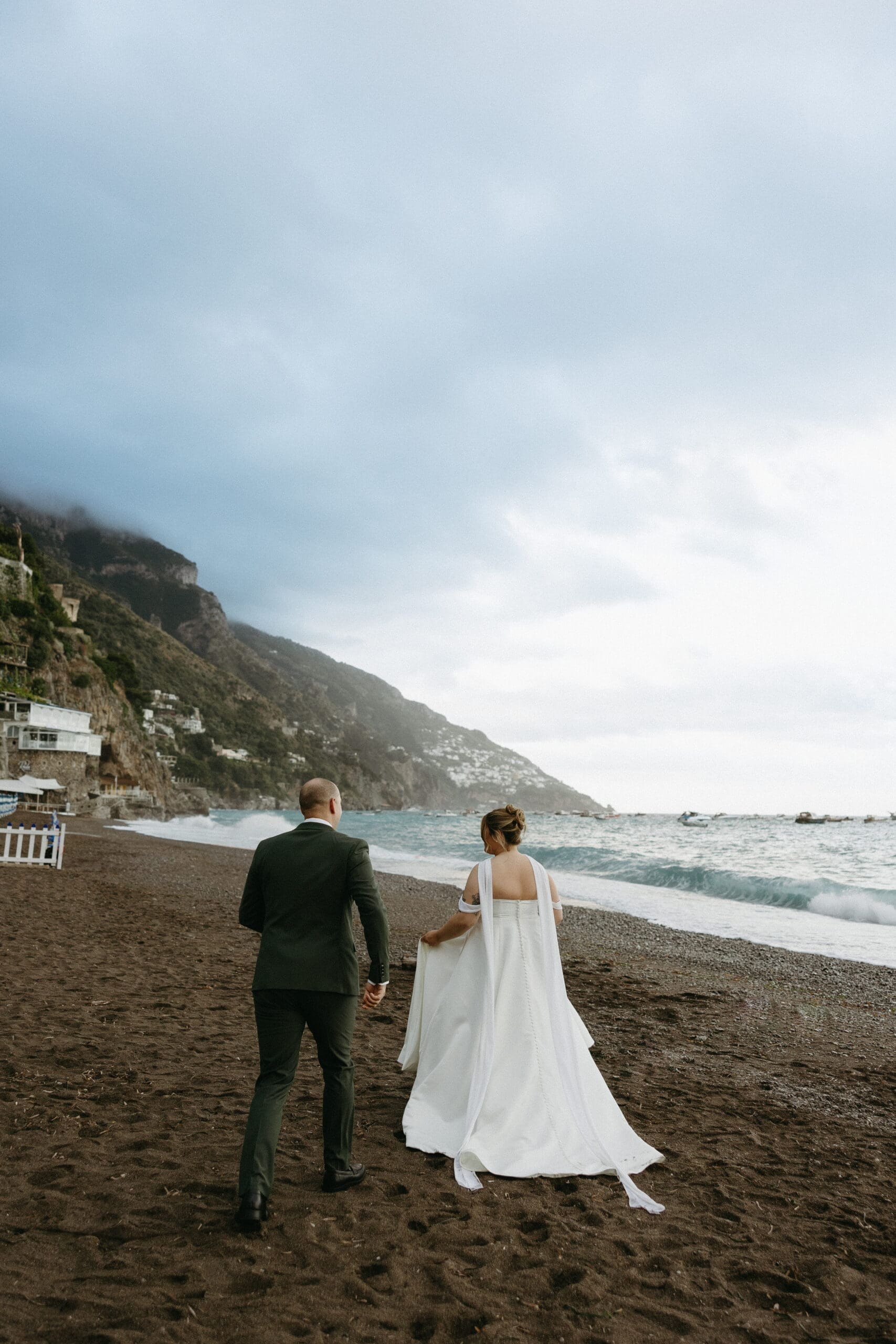
Earlier this year, I stepped away from my business for nearly a month while travelling through Europe and marrying my best friend in Positano, Italy. As excited as I was, I couldn’t help but wonder what would happen while I was away. Would inquiries slow down? Maybe the momentum would disappear. What if everything I’d spent years building came to a halt simply because I wasn’t online every day?
I’m willing to bet you’ve had those same thoughts too.
But despite those worries, I went anyway. I gave myself permission to be fully present during one of the most meaningful seasons of my life. I intentionally stayed off my phone, trusted the work I’d already put into my business, and reminded myself that these moments weren’t meant to be experienced through a screen.
What was so incredible was coming home to one of the busiest seasons my business had experienced in months. My inbox was full of new inquiries and discovery calls, my website was still introducing people to my business, and the content I’d spent months creating continued reaching new readers while I was away.
That experience reminded me of something I think so many creative business owners need to hear: Our businesses aren’t meant to keep us from living our lives. They’re meant to support them.
Once I truly embraced that idea, it became much easier to build my business with that goal in mind. Every system, workflow, blog post, and piece of content I created after that wasn’t about working more… It was about creating a business that allowed me to be fully present for the moments that matter most.
That’s what this article is really about. Not simply preparing your business for your next vacation, but building a business that supports your life instead of asking you to sacrifice it.
Step One: Rework Your Mindset
Before you start thinking about websites, SEO, automations, or workflows, I want you to challenge the beliefs you currently hold about your business.
Take a moment to ask yourself why you started your business in the first place. Was it to create more flexibility? Spend more time with your family? Travel? Slow down? Have the freedom to choose how your days look?
Somewhere along the way, many creative entrepreneurs lose sight of those reasons. We begin measuring success by how busy we are instead of by the life our business is helping us create.
The truth is, stepping away from your business isn’t a sign that you’re falling behind. It’s often what allows you to come back with fresh ideas, renewed creativity, and a healthier perspective. Some of your best work won’t come from sitting at your desk for twelve hours. It’ll come from living your life, exploring new places, spending time with the people you love, reading books, taking walks, trying new experiences, and giving yourself the space to think.
Before you build a business you can step away from, you have to believe you’re allowed to.
That mindset changes everything.
Step Two: Build the Systems That Support Your Life
Changing my mindset didn’t mean I could suddenly disappear from my business without preparation. It simply changed the kind of business I wanted to build and my approach to do that.
Once I believed my business should support my life instead of competing with it, I started making different decisions. I build a strategic website that continued building trust while I was offline. Strengthened my SEO so new clients could continue discovering my business through Google. Spent time automating repetitive tasks, refined my client experience, and created systems that quietly worked behind the scenes while I was living my life.
Those systems weren’t built so I could escape my business. They were built so I could enjoy my life without feeling like my business would fall apart in my absence.
Here are five intentional systems you can start building into your own business:
1. Build an Automated Inquiry & Booking System
One of the most valuable systems I’ve built into my business is what happens immediately after someone inquires.
Rather than relying on manual emails to move potential clients through the next stage of the process, my inquiry workflow is designed to automatically guide them forward. As soon as someone submits an inquiry through my website, they receive an automated email confirming that I’ve received it and inviting them to book a discovery call directly into my calendar.
This simple system serves two important purposes. First, it reassures potential clients that their inquiry has been received and that they’re officially on my radar. Second, it gives them a clear next step, allowing them to keep moving through my process without waiting for me to respond personally.
Personally, I use Dubsado to organize my inquiries and send out automated emails linking to my booking platform of choice (TidyCal) so clients call book their discovery calls, but no matter the platforms you are using, the concept is the same. Build an automated system that moves people from inquiry to conversation with as little friction as possible.
A contact form is only the beginning of your client journey. By automating those first one or two touchpoints, you create a smoother experience for your clients while removing repetitive administrative work from your own plate. It’s a small system that makes a big difference, especially when you’re away from your inbox.
2. Create a strategic website that works for you 24/7.
Your website should answer common questions, showcase your work, allow your audience to purchase and book with ease, while continuing to establish trust even when you’re offline. If you’re ready to build a website that supports your business long after launch, explore the Haus of Mae Design Studio web + brand design packages here →
3. Invest in SEO and evergreen blog content.
This allows potential clients to continue discovering your business through Google long after you’ve published an article. Ahead of our trip, I hired Shannon from Sleepyhead SEO to strengthen my Showit SEO strategy. Together, we made sure my website was ready to continue attracting the right visitors through Google while I was away. I’ve also learned so much from Kara at The Kara Report. Her approach to blogging completely changed the way I think about creating long-term, evergreen content.
4. Automate your client experience using a CRM.
As I mentioned earlier, Dubsado is a big piece of allowing me to provide my clients a seamless client experience, while keeping my head on straight. One of the best investments I made before travelling was that I worked with Michaila from Behind Your Studio to refine my Dubsado automations and workflows. That meant inquiries, contracts, questionnaires, and invoices could continue running smoothly while I was away.
If you don’t already use a CRM, I can’t recommend Dubsado enough. It’s completely transformed the way I manage my client experience. It saves me countless hours while creating a smoother process for both my clients and myself. If you’re thinking about making the switch, you can also save 20% on your first Dubsado subscription here.
5. Schedule your email newsletters ahead of time.
By now, you probably already know that writing emails has become one of my favourite parts of running my business. My newsletter lets me connect with my community in a way social media simply can’t.
Ahead of our trip, I wrote and scheduled every edition of the Haus of Mae-gazine through Flodesk. Every week, my readers still received thoughtful content while I was fully present enjoying one of the most meaningful seasons of my life.
That’s the beauty of intentional systems. Your business keeps nurturing relationships even while you’re offline. If you’ve been thinking about starting a newsletter or making the switch to Flodesk, I genuinely can’t recommend it enough. It’s the platform I trust for every edition of the Haus of Mae-gazine. If you’re interested in trying it for yourself, you can get 50% off your Flodesk subscription using my link.
**Trust me on this one. Your future self will thank you for every workflow you automate, every blog you publish, and every system you build before you step away from your business.**
Final Thoughts
The systems I shared throughout this article matter. They make stepping away easier, they create a better client experience, and they help your business continue working while you’re offline. But none of them matter if you don’t first believe you’re allowed to build a business that supports your life.
Give yourself permission to slow down. Protect your creativity. Experience life beyond your laptop. Then build the systems that allow you to keep doing it again and again.
Your business should be one of the reasons you get to enjoy your life, not the reason you miss it.