The Rebrand Strategy Behind Haus of Mae (And How I Knew It Was Time for a Change)
A rebrand strategy wasn’t something I thought much about when I first started my business. At the time, my website did exactly what I needed it to do. It showcased my services, highlighted my portfolio, and gave potential clients a place to learn more about my work.
For that season of business, it worked. As the years passed, though, something began to shift.
But first, hello, and welcome! I’m Mikayla, the designer behind Haus of Mae Design Studio. I help creative and service-based business owners build brands and websites that feel intentional, aligned, and reflective of where their business is headed. My goal is to create digital homes that support growth, build trust, and help business owners show up with confidence online.
Curious how that comes to life in client projects? Take a look through the portfolio for real examples, and join the newsletter for website and branding tips, resources, and studio updates.
How I Knew It Was Time for a Rebrand
For that season of business, my website worked. It showcased my services, highlighted my portfolio, and gave potential clients a place to learn more about my work.
As the years passed, though, my business evolved. My work became more refined, my projects more strategic, and the clients I wanted to serve became much clearer. Yet my website still reflected an earlier version of my business.
Nothing was broken. People could still find me, learn about my services, and inquire about working together. Even so, something no longer felt aligned.
The best way I can describe it is this: imagine living in a home that once fit your needs perfectly. Over time, your routines change, and your priorities shift. The space still functions, but it no longer feels like the right fit.
That’s exactly how I felt about my brand and website. Eventually, I realized my online presence was telling an older story while my business had already moved into a new chapter.
That’s when I knew it was time for a rebrand. Not because anything was wrong, but because I needed a rebrand strategy that reflected where my business was today and supported where it was headed next.
Thinking about updating your brand or website? Read DIY vs Hiring a Designer: How to Know What You’re Ready For to help determine the right next step.
Signs Your Brand May No Longer Reflect Your Business
Looking back, the signs were there long before I decided to rebrand. Interestingly, they’re often the same signs I hear from clients today.
Growth doesn’t always happen all at once. Sometimes your business evolves gradually, while your website and brand remain tied to an earlier version of your work. When that happens, the disconnect often sounds familiar.
Many clients come to me saying:
- “My website doesn’t feel like me anymore.”
- “My brand looks like an early version of my business.”
- “People love my work, but my website isn’t attracting the right clients.”
- “I’ve evolved, but my online presence hasn’t.”
- “I’m embarrassed to send my link.”
These thoughts aren’t always signs that something is wrong. More often, they’re signs that something has grown.
When your website no longer reflects the level at which you operate, it becomes harder for people to understand the value of what you offer. That’s often when a rebrand strategy becomes worth exploring.
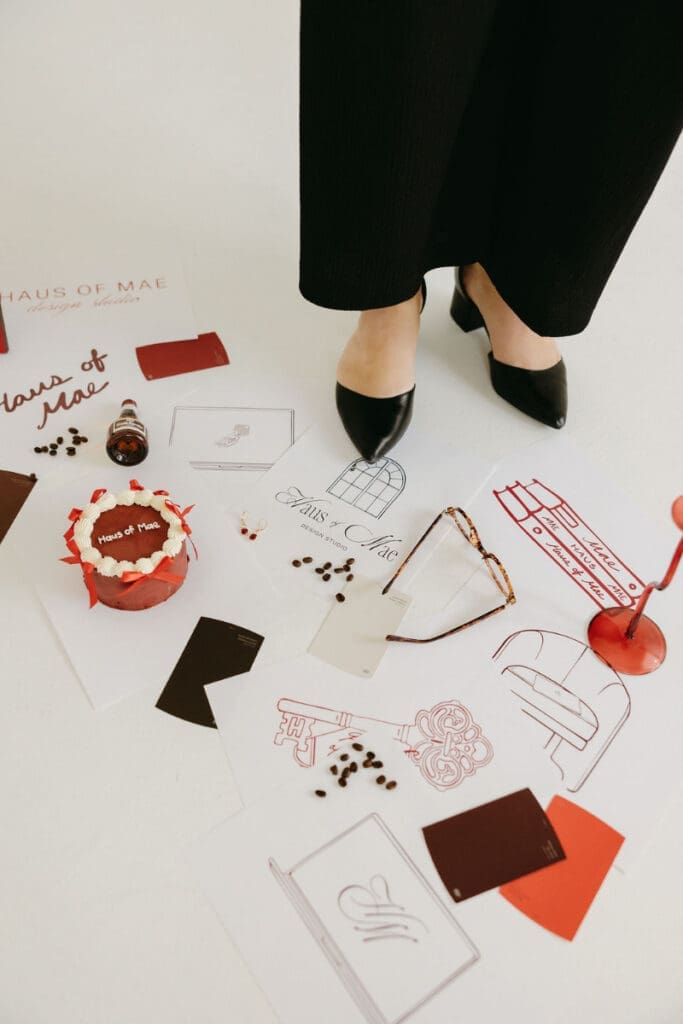
Why a Rebrand Strategy Is About More Than a New Look
Many people assume a rebrand starts with a new logo, colour palette, or website design. Those pieces matter, but they aren’t where a strong rebrand strategy begins.
A rebrand strategy starts with clarity. It helps ensure your brand reflects the business you’re running today, not the one you built years ago. For me, the goal wasn’t simply to make my website look different. I wanted it to feel aligned with the work I was doing and the clients I wanted to serve.
A strong rebrand strategy should do three things well:
Reflect Where You Are Today
Your brand should represent the business you’re running today, not the version you launched years ago. As your services evolve, your experience grows, and your business becomes more refined, your brand should evolve alongside it.
Support What’s Next
Your brand shouldn’t only tell the story of where you’ve been. It should also create room for where you’re going. I wanted a brand that could grow alongside my work rather than needing another major overhaul a few years later.
Create an Experience You’re Proud to Share
Your website is often the first interaction someone has with your business. When your brand feels aligned, sharing your website feels easier. You feel confident sending people your link because it reflects the quality of your work and the experience you provide.
Read What Is Brand Identity vs. Logo: What’s Actually Included in a Brand Design to understand the difference between a logo and a complete brand identity.
Four Decisions That Guided My Rebrand Strategy
Once I knew a rebrand was the right decision, I needed to understand what actually needed to change. The goal wasn’t a new look. It was creating better alignment between my work, values, and client experience. That clarity guided every decision that followed.
A Cohesive Framing Strategy
One of the first things I wanted to create was a clear way to communicate how I think about websites and design. That’s where the concept of the digital home became central to the brand.
Websites aren’t simply collections of pages. They’re spaces people move through. They’re often the first place a potential client experiences your business.
Framing websites as digital homes allows me to talk about strategy, structure, and growth in a way that feels approachable and easy to understand.
More importantly, it creates consistency. Whether someone is reading a blog post, exploring my website, or working with me directly, the message remains clear.
Communicating Depth Beyond the Visual
While design is often what people notice first, my work goes much deeper than aesthetics. Every project includes thoughtful strategy, structure, and planning.
I wanted Haus of Mae to reflect the care that goes into every behind-the-scenes decision, not just the final visual outcome.
The goal was to communicate that websites aren’t simply about looking good. They’re about creating an experience that supports both the business owner and site visitors.
Alignment With the Clients I Serve Today
As my business evolved, so did the clients I wanted to work with. I found myself drawn to thoughtful service providers who valued clarity, intention, and long-term growth.
I wanted the brand to feel welcoming, supportive, and professional from the very first interaction. Every part of the rebrand strategy was shaped with those clients in mind.
An Elevated Identity Built to Last
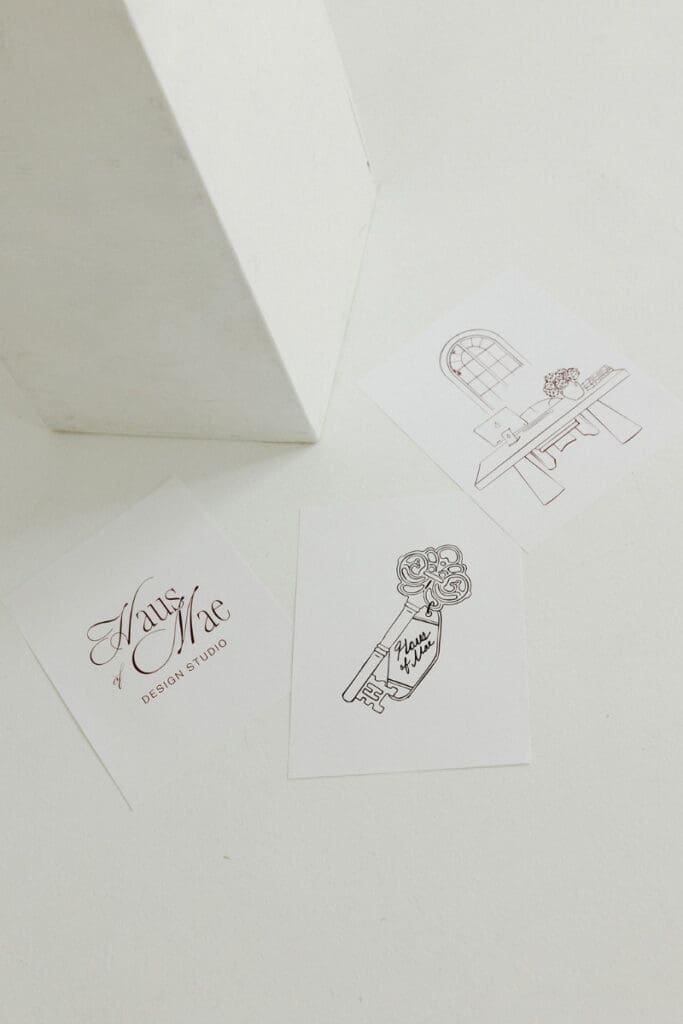
I also wanted a visual identity that felt mature and timeless. The goal wasn’t to create something trendy. Instead, I wanted a brand that could evolve alongside my work and continue supporting future growth. That long-term perspective helped guide many of the decisions made throughout the rebrand.
Signs It Might Be Time to Revisit Your Own Rebrand Strategy
While every business is different, there are often common signs that a brand or website is ready for change.
You might find yourself saying:
- My website doesn’t feel like me anymore.
- My services have changed.
- My business has grown.
- My website isn’t attracting the right clients.
- My online presence feels outdated.
- I’m hesitant to send people my website.
If any of those feel familiar, it doesn’t automatically mean you need a complete rebrand. Sometimes, a few strategic updates are enough.
Other times, those feelings point to a broader disconnect between where your business is today and what your online presence communicates. A thoughtful rebrand strategy can help close that gap.
Read 10 Quick Website Updates You Can Make Today (Even If You’re Not Ready for a Redesign) for simple ways to refresh your website without a full redesign.

Growth Often Comes Before a Rebrand Strategy
Most rebrands aren’t driven by problems. They’re often the result of growth. As your business evolves and your work becomes more refined, your website and brand may need to evolve alongside it.
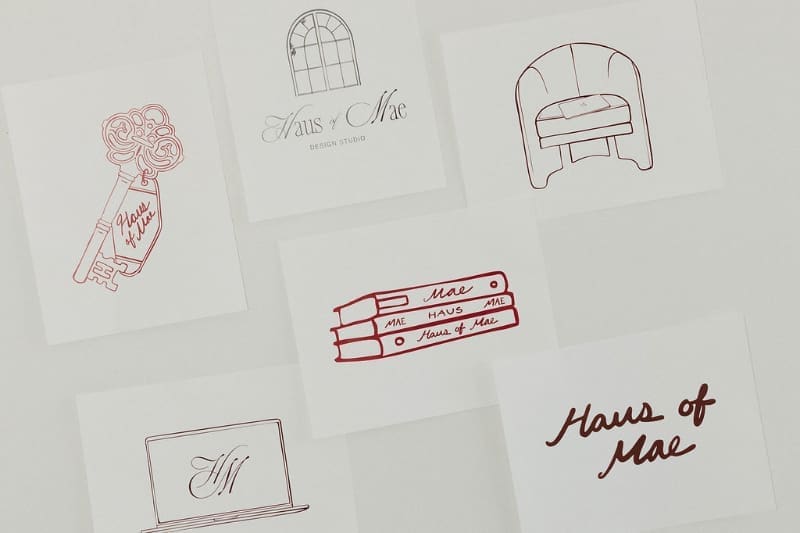
That’s exactly what led to Haus of Mae. Looking back, the rebrand wasn’t about becoming something different. It was about creating a brand that more accurately reflected who I had already become and where my business was headed next.
If any part of this story feels familiar, it may be worth taking a closer look at your own website and brand. Sometimes the need for a rebrand isn’t a sign that something is wrong. Sometimes it’s simply a sign that you’ve grown.
If you’re ready to move beyond a logo, The Foundation provides a cohesive brand identity that brings clarity and consistency to your business.
For a more custom approach, The Heirloom Brand offers a tailored brand identity built around your business and where it’s headed next.
You can find me on Instagram for website and branding insights, client projects, and behind-the-scenes updates. And if you’re wondering whether your brand or website is still aligned with where your business is headed, let’s chat.